How to Inspire Students Beyond the Classroom in the United States
Engaging Beyond Academics
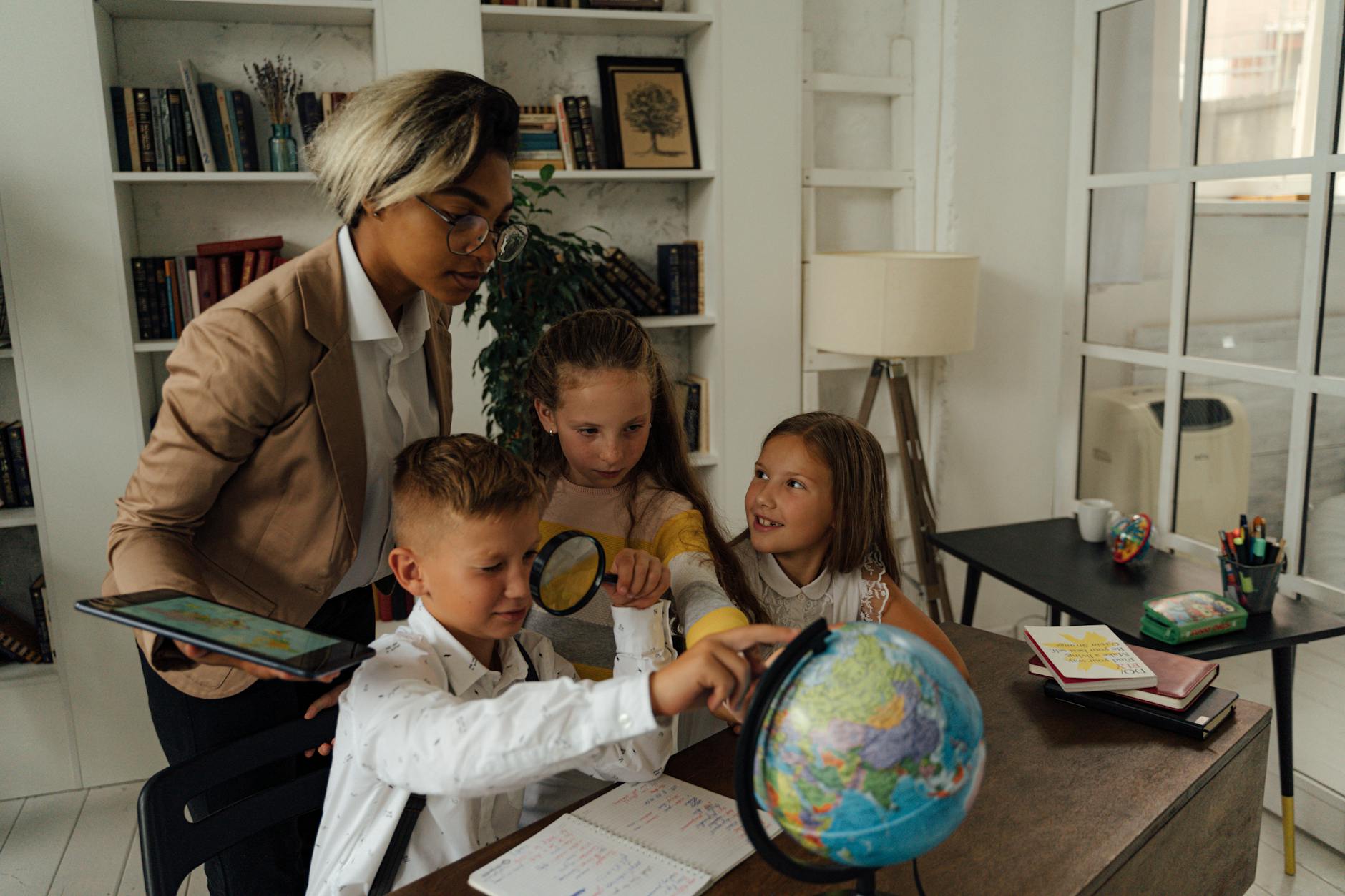
Engaging students beyond traditional academics offers a fresh approach to teaching methodologies, allowing both learners and educators to thrive. In Brooklyn, educational opportunities abound, such as the vibrant community arts events in Prospect Park. These activities can transform a standard classroom lesson into a memorable experience by fostering creative interactions. Consider, for instance, integrating activities like cake decorating classes nyc into the curriculum. This not only teaches culinary skills but also encourages collaboration and creativity among students.
Creating Experiential Learning Opportunities
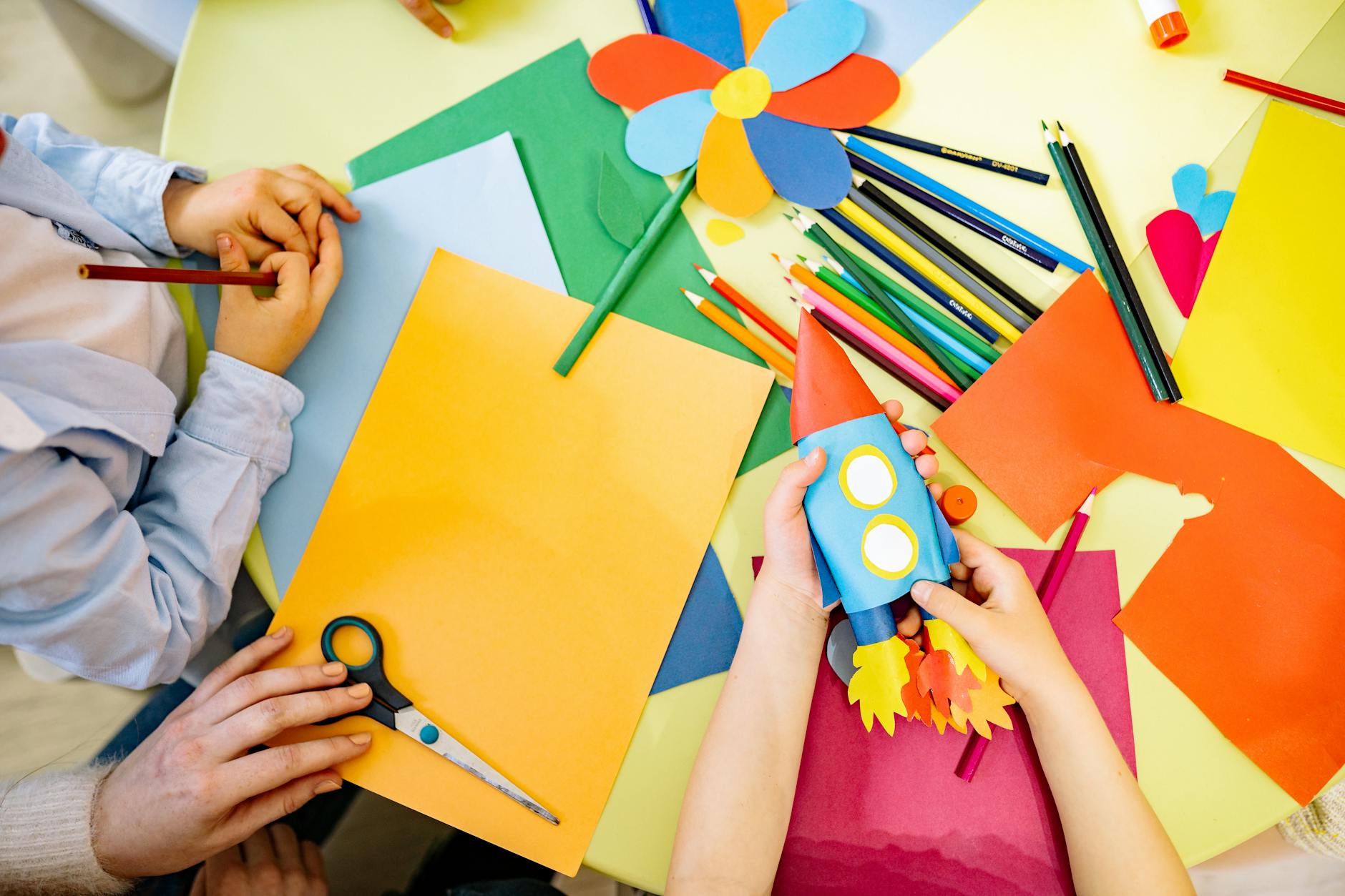
Incorporating integrative lessons that go beyond the textbook can make learning more relevant and engaging. The use of online craft classes, for example, adds a dynamic layer to education by allowing students to explore their creative talents while mastering new skills. Such platforms are especially useful for expanding access to diverse creative outlets.
Fostering Community Connections
Connecting academic learning with community resources can help students see the real-world applications of their studies. Art galleries in Dumbo, for instance, offer rich educational programs that can deepen students' understanding of art and culture while building a sense of connection with their surroundings.
Encouraging Student-led Initiatives
Empowering students to lead their projects fosters a sense of ownership and motivation. Encouraging them to plan and participate in virtual paint classes can create a student-centred environment where young learners explore new ideas and take charge of their educational journey. Engaging with such creative methodologies can foster a lasting passion for learning.
Integrating Real-World Skills
Introducing Practical Workshops
Imagine stepping into a classroom where the lessons extend beyond textbooks, rooted in real-world applications. I'm focused on designing practical workshops that captivate students' interest while equipping them with essential skills. As an imaginative mentor in Brooklyn, New York, I draw inspiration from the Brooklyn Museum's educational programs, known for their integrative lessons. Such workshops offer students the chance to explore, create, and understand the world, making education both an intellectual and tactile journey.
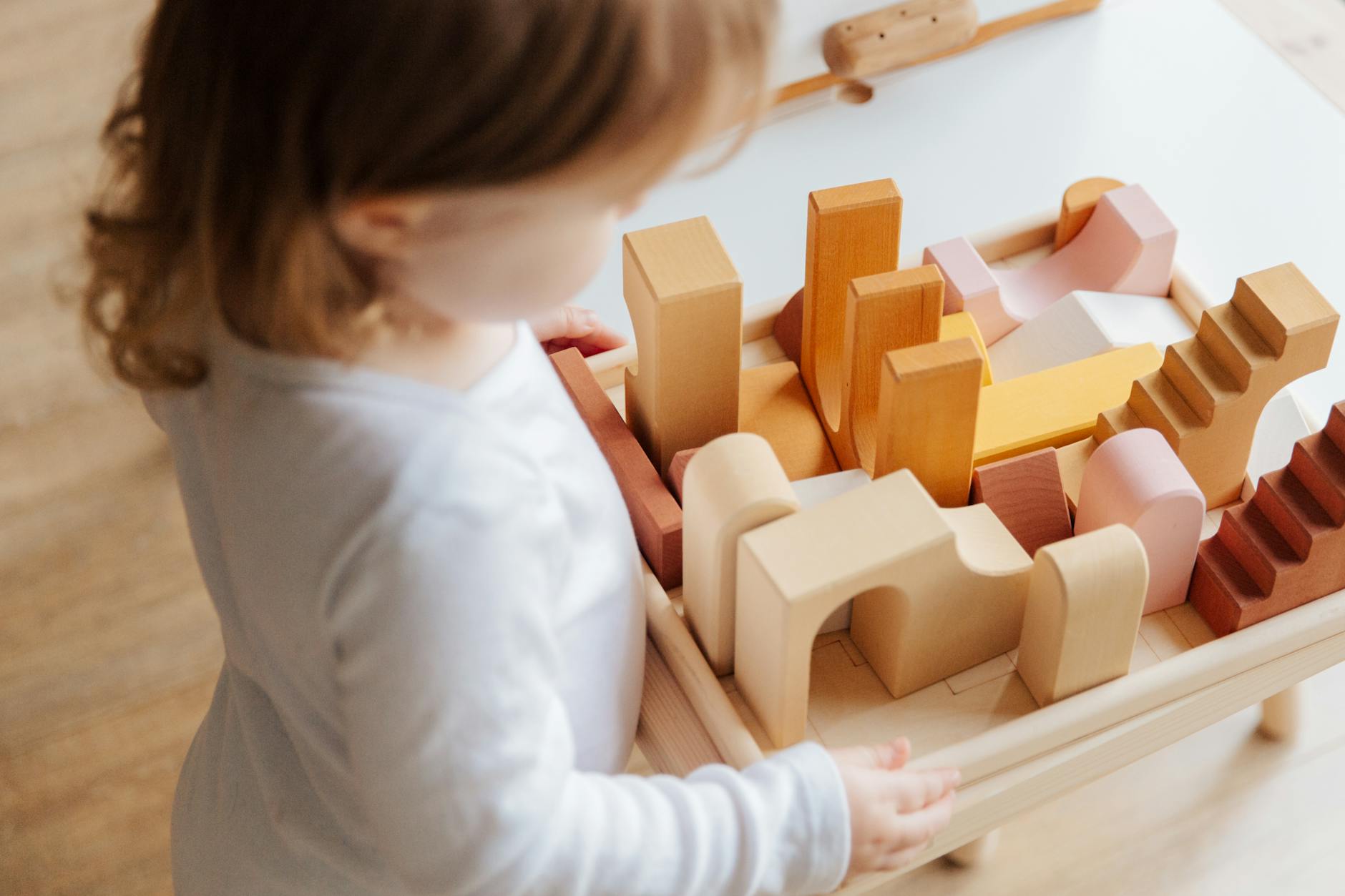
By bridging classroom learning with hands-on experiences, students can engage in activities like a pottery class san francisco, offering a creative outlet that hones both artistic and practical skills. This approach fosters problem-solving abilities, as learners tackle projects from conception to completion. It's an environment where students feel encouraged to test their limits and find innovative solutions.
To make these workshops even more impactful, integrating experience gifts like curated educational sessions can be a game-changer. These gifts, often found in experience gifts nyc, provide unique opportunities to learn outside traditional settings, keeping students motivated and eager to learn. These gifts extend educational experiences beyond the classroom, giving students valuable insights into potential career paths.
By nurturing creativity and curiosity through workshops, we transform the learning atmosphere into one that mirrors the dynamism of real-world challenges, encouraging students to think critically and creatively.
Cultivating a Growth Mindset
In the heart of our educational journey, there's nothing quite like witnessing a spark of curiosity in a student's eyes. Encouraging self-directed learning is like handing them the canvas and paintbrush to create their own masterpiece. As we mentor our students, integrating creative projects like paint and sip nyc can illuminate how art and structured learning complement each other. Just like a vibrant community arts event at Prospect Park, a classroom where students set and pursue their goals becomes a hub of inspiration.
Promoting Self-directed Learning
In our classrooms, the goal is to encourage students to take charge of their learning journeys. By providing opportunities to explore interests outside of prescribed curricula, students can develop tenacity and autonomy. This approach can incorporate "team building activities nyc," where collaboration and learning merge seamlessly, fostering an evolution from student to engaged learner.
Implementing Reflective Practices
Promoting reflection encourages students to process their experiences, allowing for deeper insight into their learning and personal growth. Consider how activities at the Brooklyn Museum's educational programs offer not just art appreciation, but a window to introspective exploration. Reflective sessions can become moments where students refine their understanding and set more defined goals.
Setting Personal Development Goals
Empowering students to set development goals is akin to crafting a unique path to success. Supported by educators who play the role of mentors, each student crafts objectives that resonate deeply with their passions and futures. Just as art galleries in Dumbo offer diverse exhibits, a well-guided goal-setting framework provides an expansive palette for personal growth.
Fostering a growth mindset cultivates an environment where students are not only prepared for academic challenges but are also savvy, proactive participants in their futures.
Utilizing Technology for Engagement
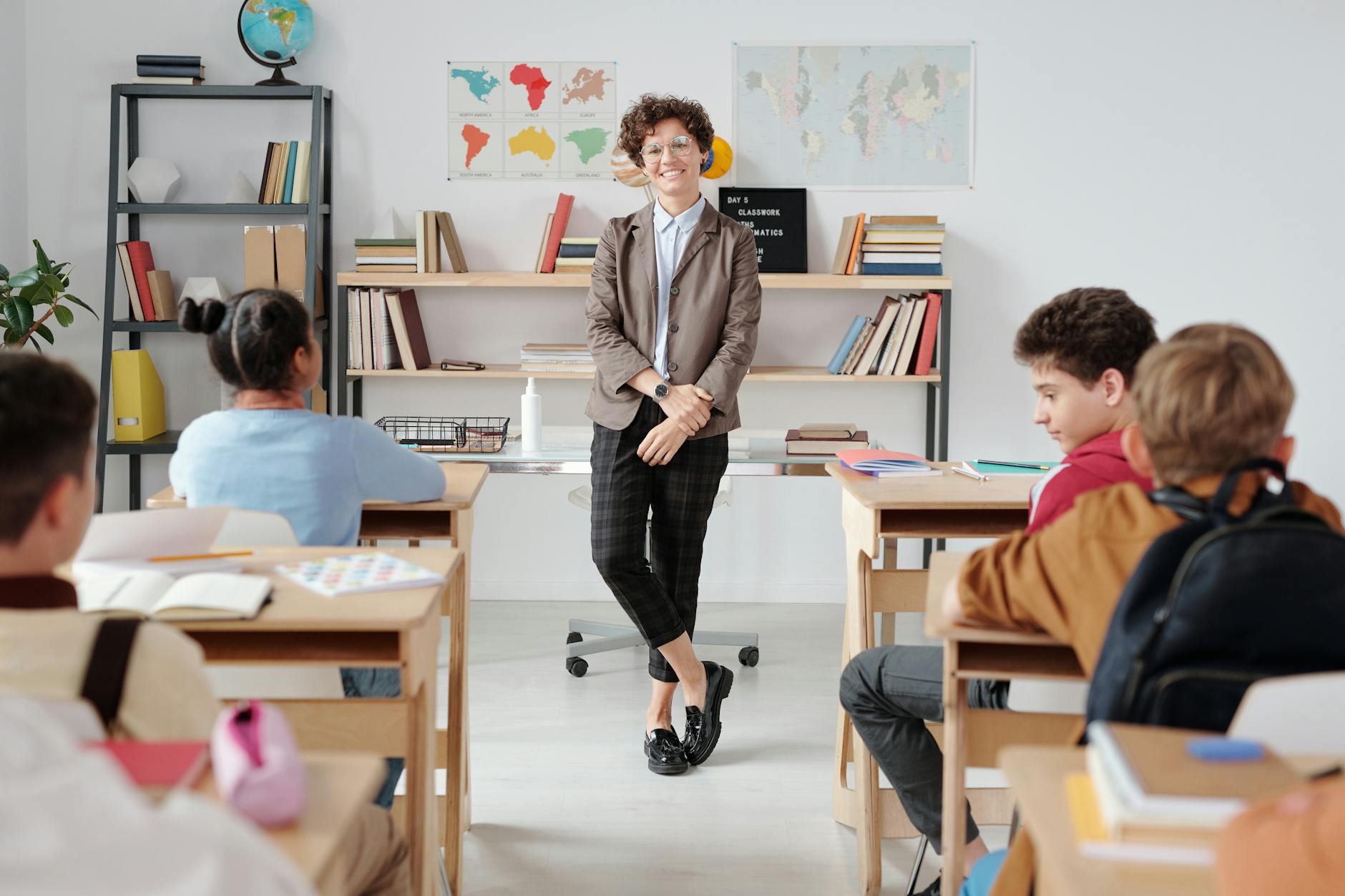
In today’s landscape of education, leveraging digital tools is essential for sparking the curiosity of high school students. Particularly in Brooklyn, our city's innovative spirit resonates within the walls of interactive classrooms. Here, technology becomes the bridge that connects traditional teaching methods with the potential of new media.
Exploring Digital Learning Platforms
Digital learning platforms offer a myriad of ways to captivate students and invigorate lessons with interactive content. Educators can take inspiration from vibrant local spaces, like the Brooklyn Museum's educational programs, which incorporate digital walkthroughs and virtual exhibitions. These platforms not only accommodate diverse learning styles but also enrich topics with multimedia resources. Whether it's through an experience gift card that grants access to online seminars or an engaging module on art history, using digital platforms can dramatically broaden educational experiences.
Employing Virtual Collaboration Tools
Creating collaborative environments fosters a sense of community among students, much like the connections formed at art galleries in Dumbo. Virtual collaboration tools offer real-time interaction, facilitating smooth exchange of ideas regardless of physical constraints. In a classroom setting, integrating these tools allows students to work on projects together, whether they’re in the same room or working remotely—similar to orchestrating a bachelorette party ideas brainstorming session.
Supporting Creative Digital Projects
Encouragement of creative digital projects can ignite students' enthusiasm, prompting them to experiment and innovate. Think of the technological storytelling workshops seen at community arts events in Prospect Park. Students gain practical skills while using technology to express their ideas creatively, bridging theoretical knowledge with real-world applications.
Tackling Challenges in Education
Resource Limitations
Picture this: an art class, inspired by the textures of Dumbo's warehouses, yearning for supplies to bring their creative visions to life. With resource limitations, sometimes what we need is to think outside the box. I've seen savvy educators arrange partnerships with local art galleries which generously donate materials. Likewise, the Brooklyn Museum's educational programs often offer grants or collaborative exhibitions that can double as supply sources.
Embracing Diverse Learning Needs
As we walk the vibrant streets of Brooklyn, it's evident that diversity is the fabric of our community. Addressing diverse learning needs requires more than just acknowledging differences—it’s about integrating those differences into the learning experience. Consider using integrative lessons that draw from community arts events in Prospect Park. These lessons can weave multicultural narratives into subjects like history and literature, making learning both fascinating and inclusive.
Boosting Student Engagement
Ever sat in a classroom and felt the energy ebb? Overcoming student engagement barriers is a hurdle as big as the Brooklyn Bridge itself. But remember, creativity feels right at home here. Let’s harness the power of storytelling, bringing in local artists to share their journeys or hosting creative brainstorming sessions within your curriculum. By tapping into collective creativity, learning becomes an enthusiastic burst of collaboration and innovation.